“coffee plantations” search results (7300)

Basic knowledge of boutique coffee Venezuelan coffee
Venezuela introduced coffee trees from Martinique as early as 1730, but coffee production was almost abandoned at the height of the oil industry. Recently, coffee plantations have begun to recover, with original Tipica and bourbon coffee trees and new plantations laying the foundation for coffee exports.
2014-12-19 Boutique coffee basics common sense Venezuela as early as 1730
From Coffee Beans (22)--America--Venezuela
The distinctive manor coffee comes from this oil-rich country. Oil was once considered Venezuela's main export. Although coffee trees were imported from Martinique as early as 1730, coffee production was almost abandoned during the heyday of the oil industry. Coffee plantations have recently begun to revive, with the original plantations of Tipica and Bo
2014-06-12 Coffee Bean America Venezuela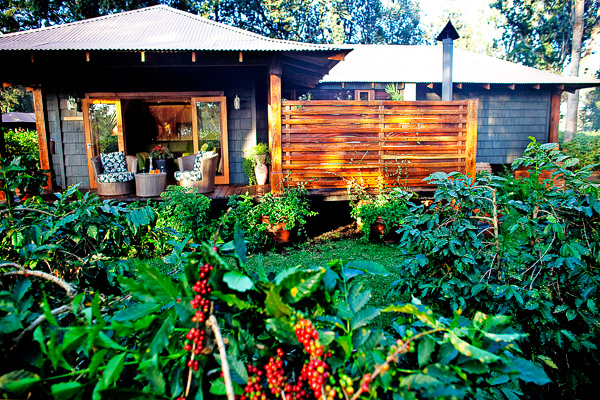
World Coffee Manor: an introduction to the Coffee Manor in Arusha, Tanzania
Arusha is located in the gentle forests of Mount Meru and is located on the largest coffee plantation in Tanzania. The northern part of Arusha is adjacent to Arusha National Park, which includes Mount Meru and the famous Ngorogoro crater at the foot of its mountain. To its northwest is the Serengeti Plain. This is a peaceful haven before and after a safari. Arusha Coffee Manor
2015-12-14 World Coffee Manor Tanzania Arusha introduction located in Mount Lushan
Venezuela's coffee producing region Venezuela's coffee market
Coffee trees were imported from Martinique as early as 1730, but coffee production was almost abandoned during the heyday of the oil industry. Coffee plantations have recently begun to revive, with the old Tipica and Bourbon trees and new plantations laying the groundwork for coffee exports.
2015-10-08 venezuela coffee origin market
Coffee plantations in the mountains of Colombia
In fact, according to Ms. Knudsen, people started drinking fine coffee, but later, due to the growing demand for coffee, the discovery and use of new coffee varieties led to the decline of coffee quality. later, people even began to dislike this bad coffee and began to turn to other drinks. In this case, Ms. Knudsen's re-recognition
2016-05-31 Colombia mountains coffee plantations
Environmental characteristics of Colombian Coffee Plantation Flavor and Taste of Lazimus Manor
The north-central Santander producing area consists of two major geographical areas: the Magdalena Basin and the mountains of the eastern mountains. The Magdalena basin is relatively flat, with a dry and hot climate in the central plain. The eastern mountains have rugged terrain, steep slopes and an altitude of 4000 meters. The climate is affected by different elevations, which makes it show a variety of meteorological zones, resulting in coffee.
2016-08-06 Colombia coffee plantation environment characteristics manor producing area flavor taste
Global coffee producing area-Australia
Coffee trees began to be planted in Queens land, Australia (Australia) in 1896. Australia is an amazing country in many ways. The high-quality coffee grown here is perhaps one of the most amazing things. Coffee production in Australia: Coffee is now farmed from Nimbin and Lismore, in New South
2014-07-09 Coffee origin Australia boutique coffee producing area
Coffee in Venezuela Other Coffee in Latin America Boutique Coffee
The distinctive manor coffee comes from this oil-rich country. Oil was once considered Venezuela's main export. Although coffee trees were introduced from Martinique as early as 1730 and Venezuela, coffee production was almost abandoned during the heyday of the oil industry. Coffee plantations have recently begun to revive, with the original plantations of Tipica and
2016-06-03 Venezuela Coffee Latin America Other Boutique
Venezuelan coffee is delicious and light, with less sour taste than traditional coffee.
Oil was once considered to be the main export of Venezuela. Although coffee trees were introduced from Martinique in 1730 and Venezuela, coffee production was almost abandoned at the height of the oil industry. Recently, coffee plantations have begun to recover, with original Tipica and bourbon coffee trees and new plantations laying the foundation for coffee exports.
2015-04-15 Venezuela coffee delicious light traditional some sour
The best coffee producing area in Venezuela is the southwestern state of Tazira.
Venezuela oil was once considered the main export of Venezuela (Venezuela). Although coffee trees were introduced from Martinique in 1730 and Venezuela, coffee production was almost abandoned at the height of the oil industry. Recently, coffee plantations have begun to recover, with the original Tipica and bourbon coffee trees and new plantations for coffee.
2016-05-31 Venezuela okay coffee producing area located in the southwest Chila.
Introducing trees into coffee plantations can increase the yield of coffee beans.
Can you imagine a tree mixed with your coffee? This may not sound like a good idea, but a new study shows that mixed growth of trees and coffee shrubs can increase the number of birds and increase coffee production. One of the main risks for bean growers is the coffee bark beetle, an insect that drills into the coffee beans and lays eggs into them. Recently, in Jamaica
2015-04-07 Coffee plantation introduction tree can increase coffee beans yield whether like one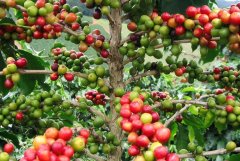
The characteristic manor coffee comes from this oil-rich country, Venezuelan coffee
Oil was once considered to be the main export of Venezuela. Although coffee trees were introduced from Martinique in 1730 and Venezuela, coffee production was almost abandoned at the height of the oil industry. Recently, coffee plantations have begun to recover, with original Tipica and bourbon coffee trees and new plantations laying the foundation for coffee exports.
2016-05-08 Very distinctive manor coffee from this oil country Venezuela
What are the most famous coffee plantations?
Costa Rica's crop is even more impressive, reaching 1700 kilograms per hectare. Guatemala's coffee export trade is controlled by private companies, but the National Coffee Council (Asociación Nacional de Cafe) controls the rest of the coffee industry. Some of Guatemala's finest coffee is exported to Japan, where it sells for $3 to $4 a cup. most of the
2016-06-14 well-known coffee plantations which Costa Rica yield more amazing hectares
Panamanian Pocket Hope Manor SHB Catura, Catuai, Tippica Fine Coffee
What is the effect of shading and shading on coffee in the plantations of the two neighbors with the same planting conditions? Shading plantations can slow down the ripening time of coffee fruits, so there are more flavor substances in coffee cherries, so shading itself increases costs and reduces production, and its coffee flavor is higher than that of semi-shaded plantations under the same planting conditions. Now, Columby.
2016-07-12 Panama Pokui Hope Manor SHB Tula Cato pickup boutique coffee
Cuban coffee flavor producing area single coffee coffee price coffee network
According to records, there were 2067 coffee plantations in Cuba in 1833. Among them, the earliest seven coffee plantation sites, such as Raglan Piedra, Elkovre, El Salvador and Nisto Perez, are listed as World Cultural Heritage. These seven coffee plantations are located in the foothills of Maestra in the provinces of Santiago and Guantanamo in southeastern Cuba in the 19th century (figure 17 is a postcard).
2016-04-19 Cuba coffee flavor origin item price record 1833 ancient
Ecuadorian coffee plantation Arabian coffee growing countries
The Arabian Coffee Tree was first introduced to Ecuador (Ecuador) in 1952 and its coffee is of good quality, especially the coffee harvested in early June. Ecuadorian coffee beans can be divided into two varieties: Galapagos and Gigante, both of which have the characteristics of large granules and heavy weight. Ecuadorian coffee can be divided into first class according to quality (No. 1) and Extra (Superior)
2016-06-14 Ecuador coffee plantation Arab planting tree 1
The characteristics and Market of Cuban Coffee
According to records, there were 2067 coffee plantations in Cuba in 1833. Among them, the earliest seven coffee plantation sites, such as Raglan Piedra, Elkovre, El Salvador and Nisto Perez, are listed as World Cultural Heritage. These seven coffee plantations are located in the foothills of Maestra in the provinces of Santiago and Guantanamo in southeastern Cuba in the 19th century (figure 17 is a postcard).
2015-03-26 Cuba coffee specialty market records 1833 2067
Global coffee producing area-Cuba
According to records, there were 2067 coffee plantations in Cuba in 1833. Among them, the earliest seven coffee plantation sites, such as Raglan Piedra, Elkovre, El Salvador and Nisto Perez, are listed as World Cultural Heritage. These seven coffee plantations are located in the foothills of Maestra in the provinces of Santiago and Guantanamo in southeastern Cuba in the 19th century (figure 17 is a postcard).
2015-08-24 Global Coffee Origin Cuba Records 1833 2067
Coffee fruit plantation
This 3-year-old Japanese girl, who speaks Mandarin in Yunnan, is always popular with farmers from all over the country. During the last picking season of coffee fruit, her parents Tian Daiju and Tian Daisi were the busiest. In this way, Tian Daihe has free space to haunt every corner of the coffee fruit manor. There are coffee fruits drying in the courtyard, these small white ones
2014-08-12 Coffee fruit coffee fruit planting coffee manor
Volcanic geology Coffee plantations Baru volcano in Panama
The Baru volcano is not only the highest mountain in Panama, but the sediments produced by early volcanic activity and eruption bring abundant and very fertile soil. These soils are rich in nutrients, especially phosphorus and sulfur. When mixed with clay, together with unique climatic patterns, the region forms an environment suitable for the growth of high-quality coffee. There are many dense forests and quantities.
2016-05-08 mountainous qualitative coffee plantation estate panama baru volcano